Lining
A lining is the thin layer of cloth covering the inside of a garment; it protects the shape of the outer fabric, makes the garment easy to put on, and hides the internal structure of seam allowances and interlining. Here is which lining suits which job and what the choice actually rests on.
What is lining and what does it do? Types and how to choose
What is a lining?
A lining is the thin layer of cloth covering the inside of a garment. It is not seen from outside; you notice it when the garment falls open or as you put it on. Inside a jacket, inside a skirt, the inner face of a coat — all lining.
The definition is simple but the job is wider than people assume. A lining is not a covering, it is a structural part of the garment: without it, a garment is not merely open on the inside — it loses its shape as well.
In garment production a lining is nearly always a thin, densely woven and dimensionally stable cloth. It must not shrink in the wash and must not disturb how the outer fabric falls, and those two conditions largely decide what kind of cloth a lining can be.
What does a lining do?
It does four separate jobs, and each supports the others. Take the lining out of a garment and all four go at once:
- It makes the garment easy to put on. The sleeve slides past a knitted jumper instead of catching. Without a lining, getting an arm into a jacket becomes work.
- It protects the shape of the outer fabric. The lining covers the inside as one surface, so seam allowances, interlining edges and shoulder pads do not press through and read as marks from outside.
- It hides the internal structure. Seam allowances, fusible tape, interlining, shoulder pads and pocket bags all sit under the lining.
- It protects the outer cloth. Perspiration, friction and whatever is carried inside meet the lining first. A worn lining can be replaced; a worn outer cloth ends the garment.
That fourth point is the least discussed and economically the most important. The lining is the garment's sacrificial layer. Which is why a lining does not need to be cheap — it needs to be the right strength in the right place.
The one thing never to expect from a lining is body. The layer that holds a garment up is interlining; the shoulder line is built by shoulder pads. Looking for shape by thickening the lining is asking the wrong layer to do the work — the garment simply swells.
Types of lining and how they differ
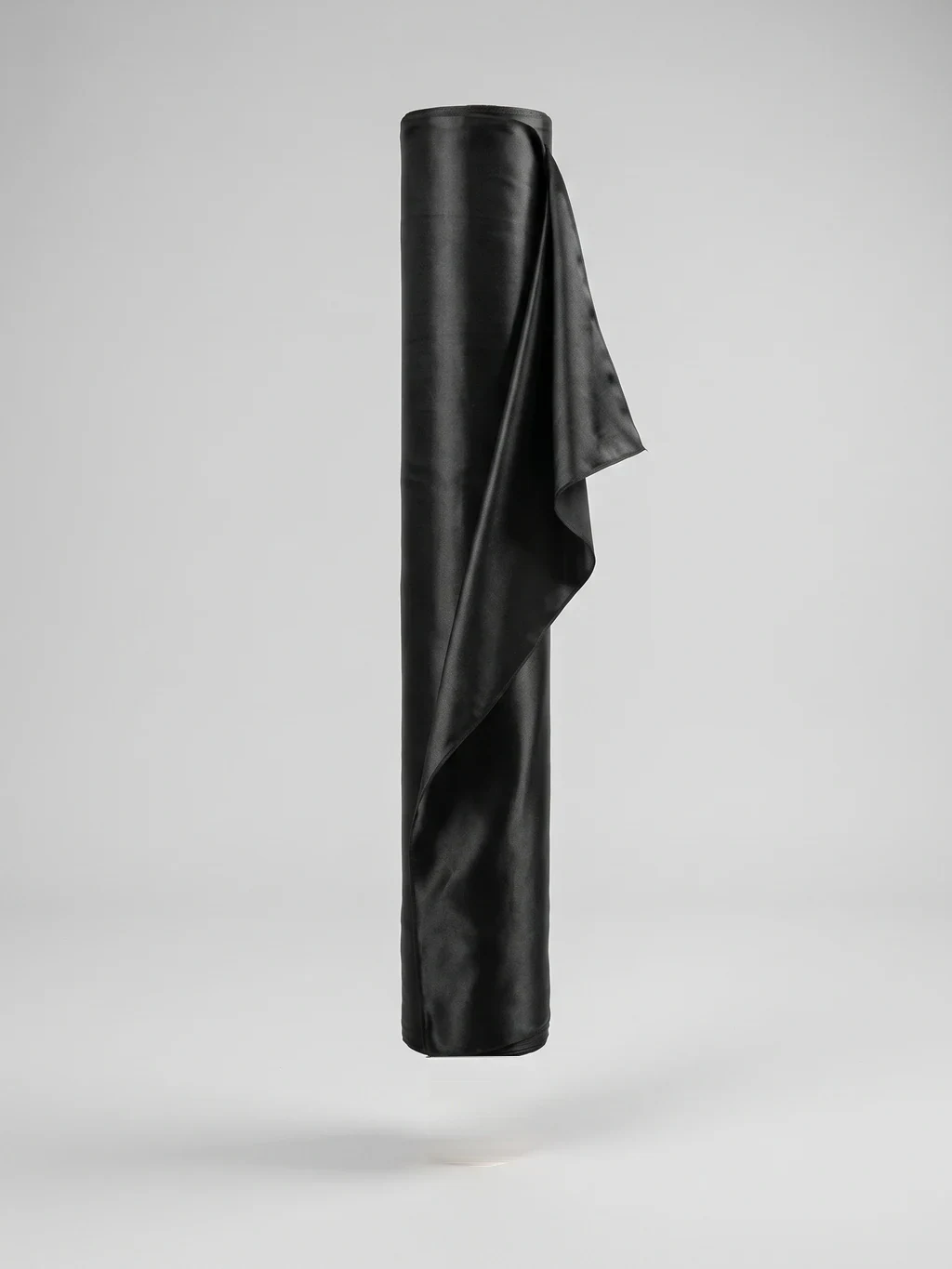
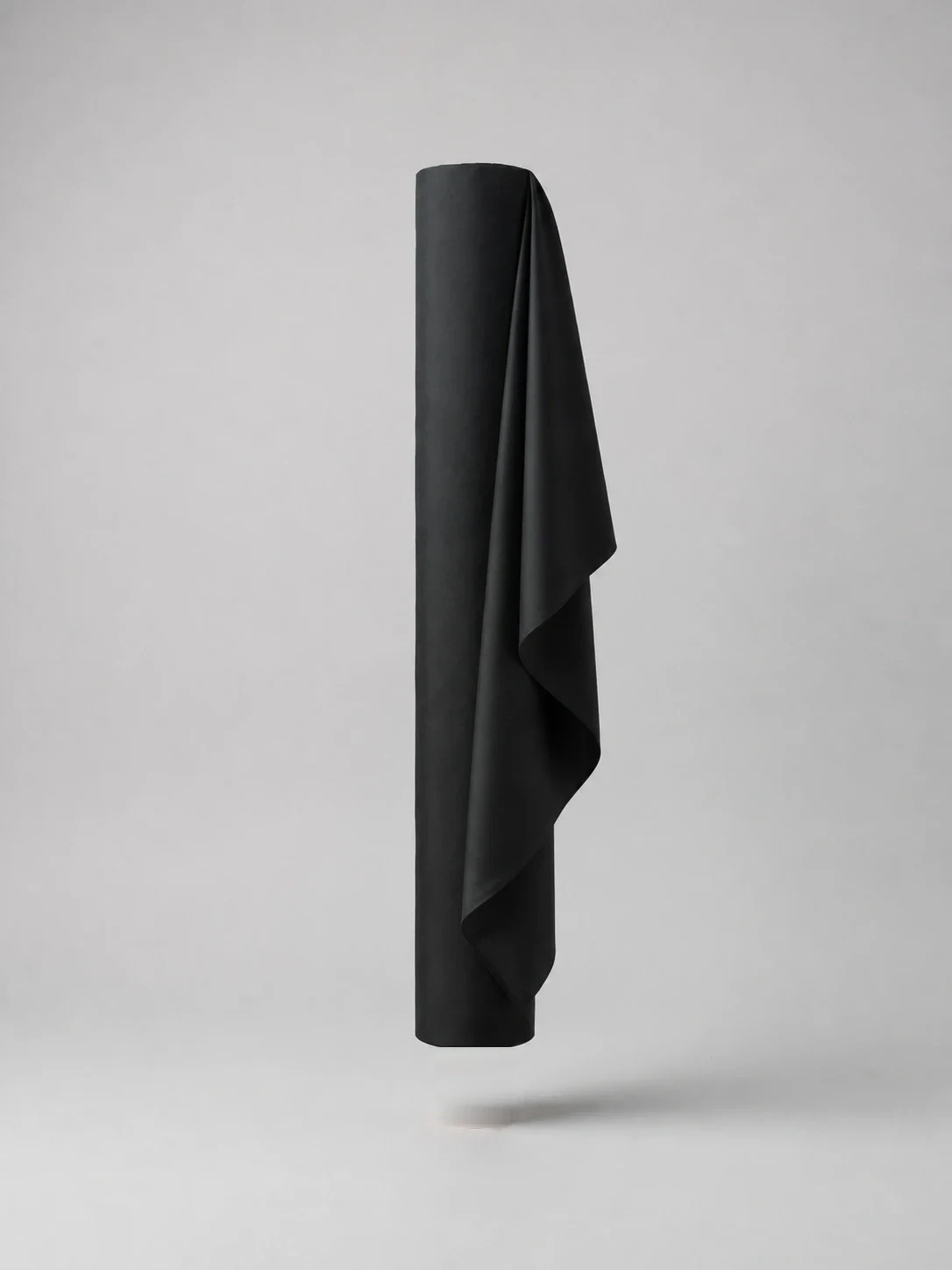
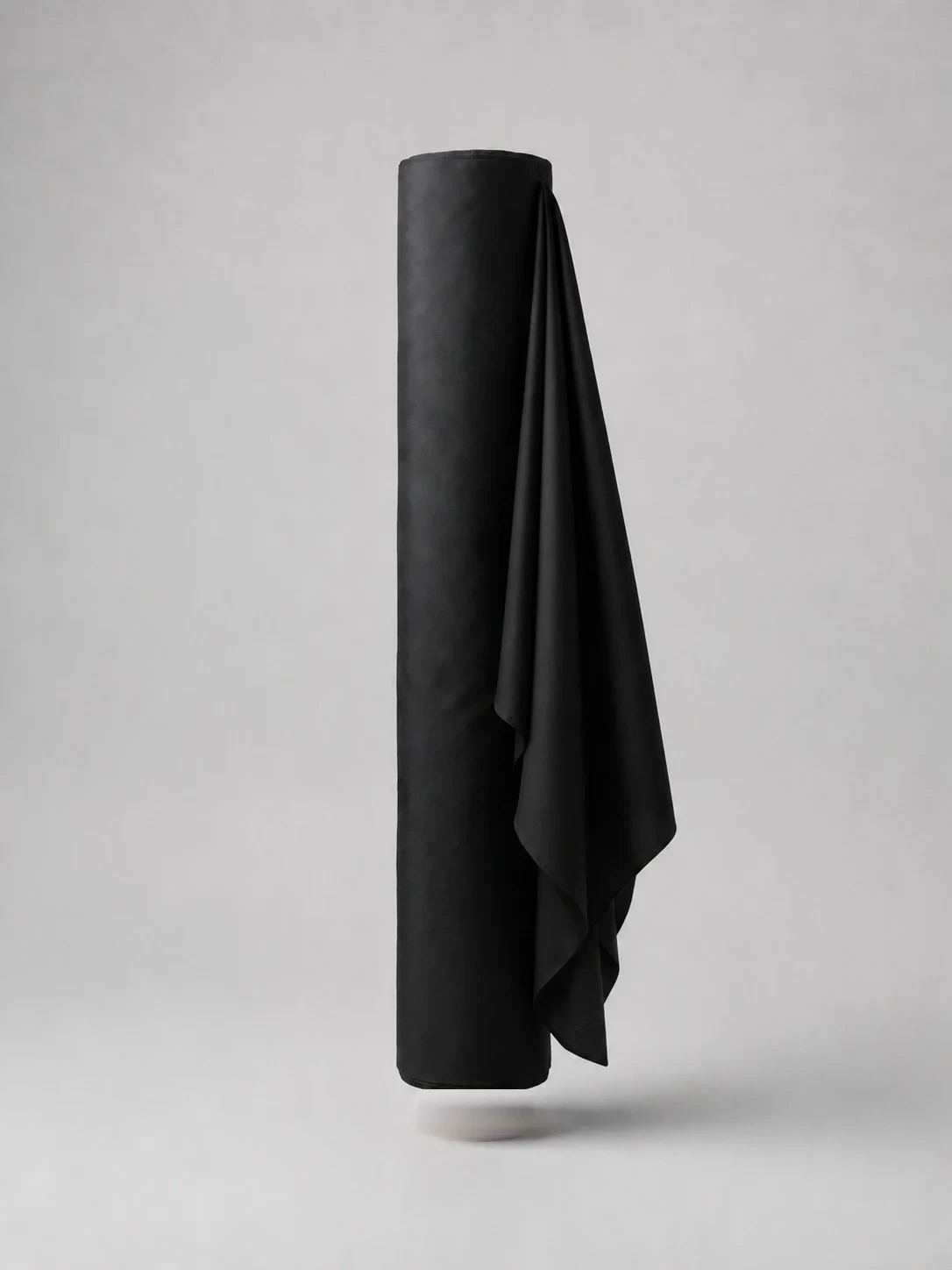
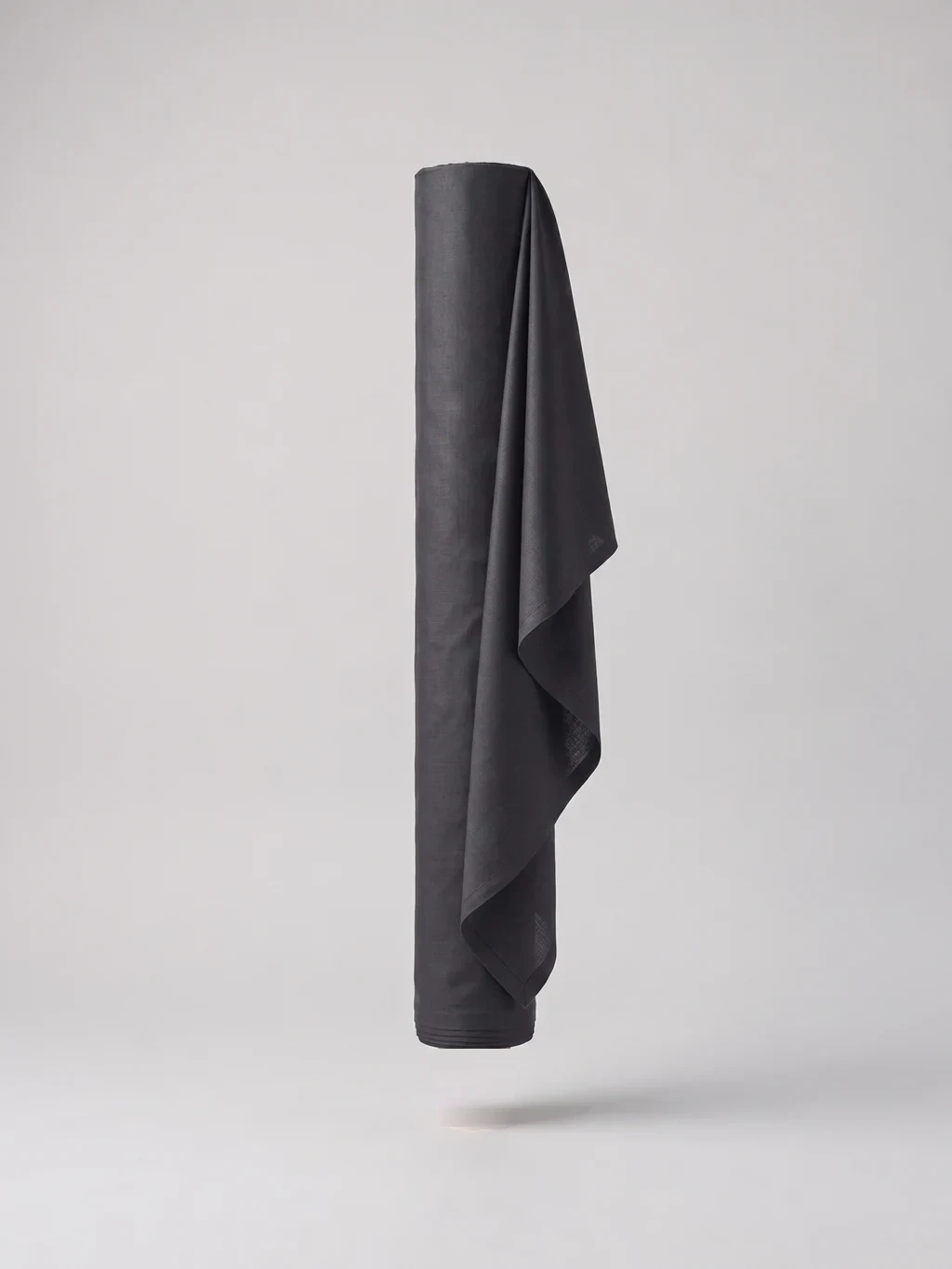
A lining is not one cloth but a family. All of them are thin and dimensionally stable, but their surfaces and their strength diverge. The five we hold:
| Lining | Face | What stands out | Where |
|---|---|---|---|
| Polyester lining | Matt | Balanced, works anywhere | General use, skirts, bags |
| Satin lining | Glossy, slippery | Easy to slip on | Jackets, blazers, suits |
| 190T lining | Matt, dense | Abrasion resistance | Uniforms, coats, bags |
| Micro lining | Matt, soft | Softness and strength together | Overcoats, raincoats |
| Jesica | Matt, full | Classic look | Jackets, overcoats, suits |
All five are polyester yarn; what separates them is the weave, the fineness of the filament and the finish. If you need a lining that stretches you have to leave the family — denier fabric is knitted and gives, while woven linings do not.
Which lining? Four questions
A lining is chosen by looking at the garment, not at a catalogue. Four questions in order:
- How heavy is the outer fabric? A heavy coat will not carry a thin, stiff lining; the two layers work against each other and the garment does not run cleanly down from the shoulder. Heavy cloth wants a soft lining.
- How hard will the garment be used? The lining of a uniform worn eight hours a day is not the lining of an evening dress worn once a month. Where there is friction, look for a dense weave.
- Is sheen wanted inside? It is a preference, but not a free one: a glossy lining inside a matt outer cloth catches the eye the moment the garment falls open.
- Does it need to stretch? In a close-fitting or knitted garment a woven lining restricts movement. There you need a knitted cloth.
The four answers usually point at one product. When they do not — if you want both sheen and high abrasion resistance, say — something has to give, because the long floats that make satin glossy are the same floats that catch on a fingernail.
Lining and interlining get confused — they are opposite jobs
This is the most common confusion for anyone new to the trade, and it is an expensive one. Both sit inside a garment, both are invisible — but their jobs run opposite to each other.
| Lining | [[UB-BT150|Interlining]] | |
|---|---|---|
| Where it sits | The innermost face of the garment | Directly behind the outer cloth |
| How it is held | By stitching | By fusing under heat and pressure |
| What it does | Covers, slides, hides | Gives body, builds the shape |
| Is it visible | Seen when the garment falls open | Never seen |
| Can it be removed | Can be unpicked and replaced | Cannot; it is bonded to the cloth |
The practical distinction: interlining is what makes a jacket stand up, and lining is what covers that structure. You cannot do the interlining's job by thickening the lining, and you cannot do the lining's job by stiffening the interlining.
How much lining do you need?
One of the most common questions, and there is no single number — the style, the size and the fabric width decide it together. How the arithmetic is built is the same on every job, though:
- List the pieces to be lined: front, back, sleeves, pocket bags, under-collar.
- Work out the area they take on the marker — the lining pattern is not the same as the shell pattern, it is the version with ease added.
- Nest them for the fabric width. A piece that sits twice side by side at 150 cm will not at a narrower width, and the gap becomes waste.
- Add an allowance for waste and testing. Keep it generous on a first run and tighten it on the second.
Most of our linings are 150 cm wide in 100-metre rolls. We can work out how many rolls you need together from the marker efficiency; telling us the style and the order quantity is enough.
Five mistakes in choosing a lining
- Choosing too thick a lining. The garment swells from the inside and the drape goes. A lining must stay thin; thickness is the job of interlining.
- Leaving out the ease. Cut to exactly the same measurement as the shell, the lining pulls the garment in when the arm is raised.
- Pairing an outer cloth and a lining with different care requirements. If one shrinks in the wash, the garment puckers.
- Matching colour on a screen. The tone is nearly always a shade out; bringing a piece of the outer cloth is the only reliable route.
- Making pocket bags from lining. A pocket takes a hand in and out all day; that calls for pocketing.
When you order
Three things make it straightforward: what the garment is, what the outer fabric is, and the colour.
For colour, bring a piece of your outer fabric or send a photograph — tone matching is done by eye. We can work out the metreage against your style together.
Stock, samples and delivery are settled on the phone. All five linings above are at the warehouse; talking through which one suits your job is faster than picking from a catalogue.
Frequently asked questions
What is a lining and what does it do?
The thin layer of cloth covering the inside of a garment. It does four jobs: it makes the garment easy to put on, protects the shape of the outer fabric, hides the internal structure of seam allowances and interlining, and shields the outer cloth from perspiration and friction. The one thing not to expect from it is body — that is the job of interlining.
What is the difference between lining and interlining?
Their jobs run opposite. A lining sits on the innermost face of the garment, is held by stitching, and covers and hides. Interlining sits directly behind the outer cloth, is fused with heat, and gives the cloth body. Interlining is what makes a jacket stand up; the lining covers that structure.
Which lining should I choose?
Four questions settle it: how heavy the outer fabric is, how hard the garment will be used, whether sheen is wanted inside, and whether it needs to stretch. Jackets and blazers usually take satin lining, overcoats micro lining, uniforms 190T lining, and general work polyester lining.
Does lining shrink in the wash?
Polyester linings do not shrink in a normal wash. When a garment puckers it is usually not the lining but the shell and the lining reacting differently to the same cycle. Their care requirements should match; if in doubt, wash a lined offcut and measure it.
How much lining does a jacket need?
It varies with the style, the size and the fabric width, so there is no single figure. The method: list the pieces to be lined, work out the area the lining pattern (with ease added) takes on the marker, nest it for the fabric width, and add a waste allowance. Tell us the style and the quantity and we can work it out together.
Is there a lining that stretches?
Woven linings do not stretch. If a close-fitting or knitted garment needs give, you need a knitted cloth — denier fabric is used for that.