Other Products
Both products in this group fill in where an ordinary lining falls short: denier fabric where stretch is needed, pocketing where friction is heavy. Here is which one is needed where, and how an order by weight is worked out.
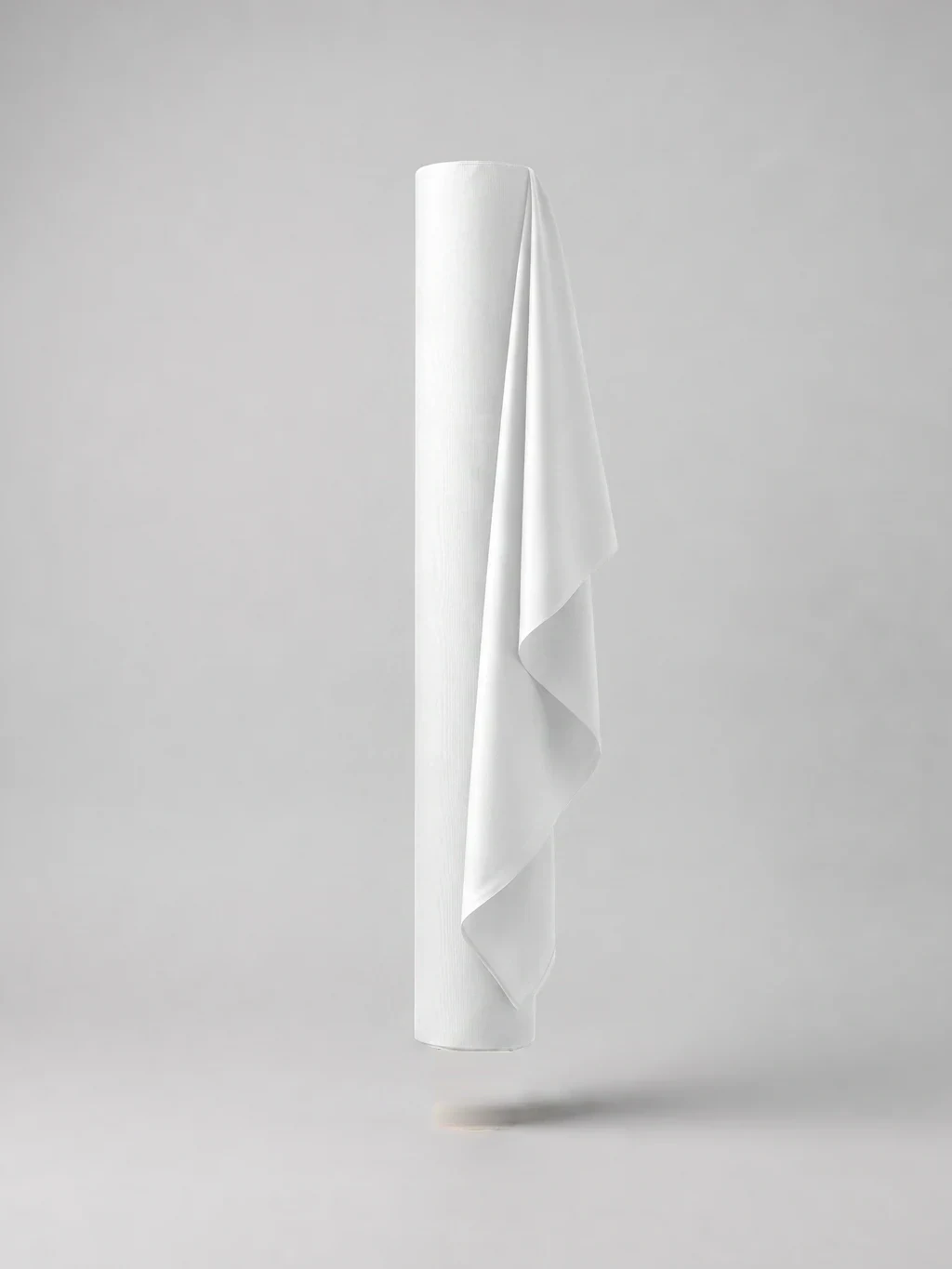
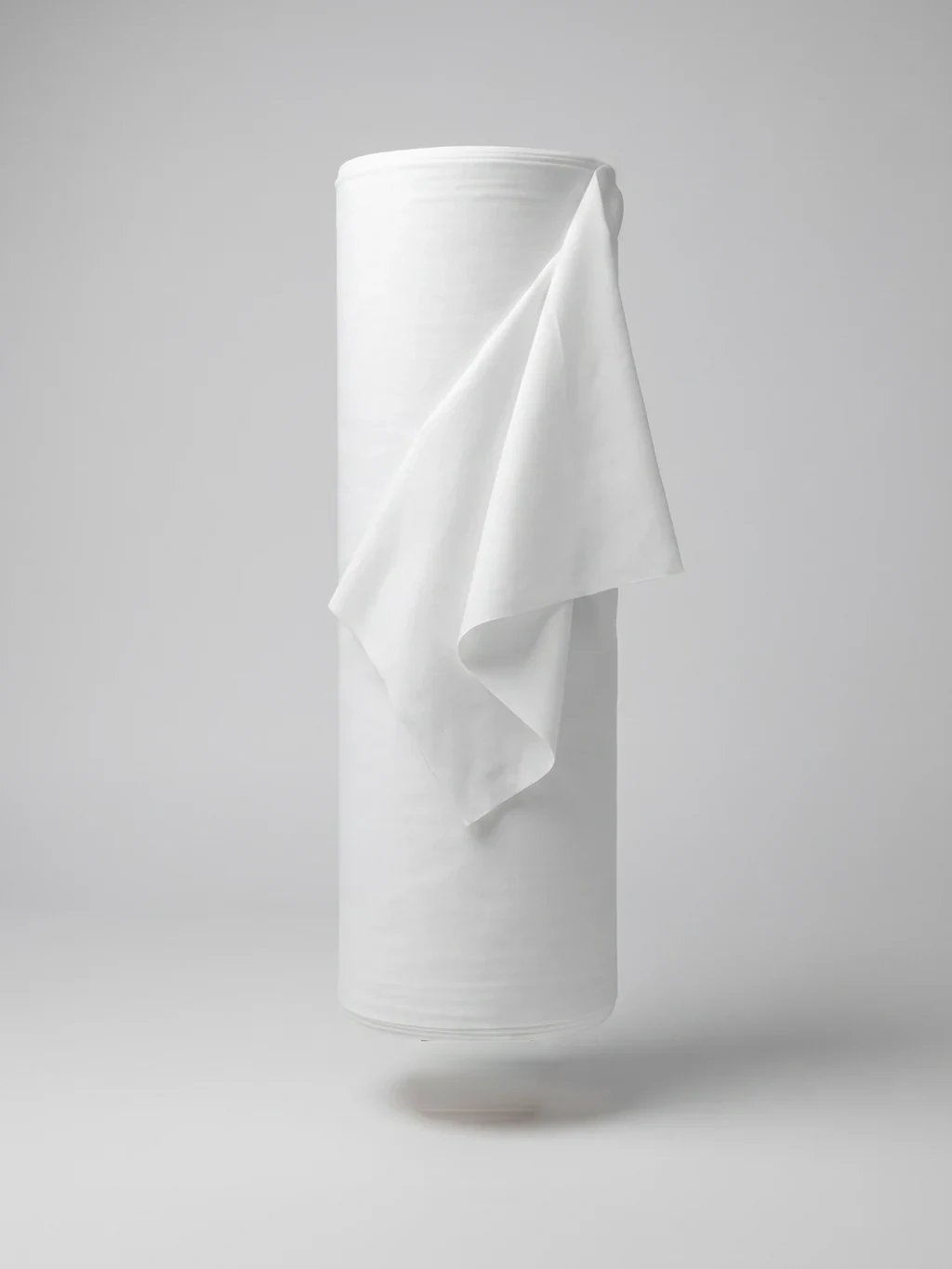
Where lining is not enough: denier fabric and pocketing
Why are these two together?
In most catalogues an "other" heading is a bin — whatever fits nowhere else gets thrown in. Not here. The two products in this group share a logic.
Both of them fill in where a lining falls short. A lining is the thin layer of cloth covering the inside of a garment; it does its job well, but it reaches its limit at two points.
- Where stretch is needed. Woven linings do not stretch, so in a close-fitting or knitted garment a woven lining restricts movement. That is denier fabric's job.
- Where friction concentrates. A lining is designed to reduce friction; a pocket bag has to live inside it. That is pocketing's job.
So "other" here does not mean unclassifiable — it means the continuation of the lining. Both are used alongside a lining, not instead of it.
Denier: the fabric that gives
Denier is a knitted fabric named after the unit that measures yarn fineness. The definition of a denier is surprisingly concrete: the weight in grams of 9,000 metres of that yarn. 70 denier means 9,000 metres weighs 70 grams.
The logic runs backwards from what people expect: as the number rises, the yarn gets thicker. For scale, a natural silk filament is about 1 denier — 9,000 metres of it weighs one gram.
- 20 – 40 denier: very fine, sheer, light knit.
- 50 – 70 denier: lining weight, lightly draping.
- 100 – 150 denier: full, opaque, hard-wearing.
- Above 150: heavy knit, outerwear and accessories.
What really sets the cloth apart is that it is knitted. Polyester lining and satin lining are woven and do not stretch; a denier fabric extends and recovers. On close-fitting garments and inner bodies that difference decides the choice.
Because denier and dtex are close, they get confused. Dtex is the weight of 10,000 metres, found as denier × 10 ÷ 9. 100 denier and 100 dtex are not the same yarn — the second is noticeably finer. If two suppliers quote different units, do not compare the numbers directly.
Pocketing: the pocket's own cloth
Think how many times a hand goes into a trouser pocket over the life of the garment. Dozens of times a day, for years — and the same surface rubs every time. What goes in is not kind to cloth either: keys, loose change, the corner of a phone.
Pocketing sits at the crossing of demands that pull against each other. It has to be four things at once: hard-wearing, thin, dimensionally stable and easy to sew. The first two work against each other — strength usually comes with thickness, and thickness is exactly what is not wanted, because a pocket bag sits doubled inside a trouser front.
Making pocket bags from lining is common and understandable — the lining is already there and it is thin. But a lining is designed for a different job: reducing friction. A slippery face escapes friction; pocketing has to live inside it. The result is that a pocket bag made from lining works, but it finishes before the garment does.
"Does not shrink in the wash" matters particularly here. A pocket bag is fixed to the trouser front at the waist and side seam; when it shrinks it pulls the outer cloth up from inside, and that reads as a pucker across the front at pocket level. The customer takes it for a fault in the outer fabric — when the problem is in a part nobody can see.
The products in this group
| Product | For what | How it is sold |
|---|---|---|
| Denier | Stretch lining, inner body, accessories | By weight, 25 – 30 base colours in stock |
| Pocketing | Pocket bags, lining companion | 200-metre rolls, 10 – 15 base colours |
They are sold differently too, and that affects order planning directly. Pocketing goes by the metre — the arithmetic is easy. Denier fabric is sold by weight, because in knitted fabrics the weight per metre varies with the batch and the tension.
Working out an order by weight
With denier fabric what you need is metres but the sale is by weight. Bridging the two takes one figure: the weight per metre.
- Work out the metres per unit from the marker.
- Multiply by the order quantity.
- Find out the weight per metre — we give you that on the phone, and it can vary by batch.
- Metres × weight per metre = the weight you need.
- Add an allowance for waste and testing.
There is a further warning with knitted cloth: it comes off the roll under tension and relaxes as it rests. Measure while it is still stretched and the real metreage comes out lower. Let the cloth lie open for a few hours before measuring.
Common mistakes
- Making pocket bags from lining. It finishes before the garment; satin lining is particularly poor, as its long floats snag on keys and fingernails.
- Skipping the shrinkage test on pocketing. A shrinking bag puckers the outside and is blamed on the outer fabric.
- Comparing denier and dtex numbers directly. The gap is about 11%.
- Measuring knitted cloth while it is still under tension. The real metreage comes out lower.
- Sewing a knit with a sharp needle. The knitting yarn is cut and a ladder starts.
When you order
Discuss pocketing together with your outer fabric. It is not chosen on its own but against the trouser cloth, particularly on shrinkage. Colour matters too, because in thin, pale trousers the pocketing can show through.
For denier fabric, tell us how many units you are producing and we can convert your metre requirement into kilos together. If you know the denier you want, say so; if not, describing where the cloth is going is enough.
Samples, stock and delivery are settled on the phone.
Frequently asked questions
Can pocket bags be made from lining?
They can, but they finish before the garment does. A lining is designed to reduce friction; pocketing is designed to resist it. Satin lining is a particularly poor choice, as its long floats snag on keys and fingernails. A choice that looks cheap comes back as a shorter product life.
There is a pucker across the trouser front at pocket level. Why?
Most likely the pocket bag is shrinking in the wash. The bag is attached to the front at the waist and side seam; when it shrinks it pulls the outer cloth up from inside, and that reads as a pucker from outside. The shrinkage rates should be close — sew a bag and wash it when you start on a new fabric.
What exactly does denier measure?
The weight in grams of 9,000 metres of yarn. 70 denier means 9,000 metres weighs 70 grams — as the number rises the yarn gets thicker. For scale, a natural silk filament is about 1 denier, so 9,000 metres of it weighs one gram.
Can denier fabric replace a woven lining?
It depends on the job. Denier fabric is knitted and stretches; woven linings do not. On close-fitting garments, or anywhere stretch is needed, the knitted cloth suits better. For work like a classic jacket lining, a woven lining is preferred.
How many kilos of denier fabric should I order?
Work out the metres per unit from the marker, multiply by the order quantity and by the weight per metre. We give you the weight per metre on the phone and it can vary by batch. Before measuring, let the cloth lie open for a few hours — it comes off the roll under tension and relaxes as it rests.
Which colour of pocketing should I take?
Neutral tones: white, off-white, grey, beige, black, navy. 10 – 15 base colours cover any outer fabric tone in practice. In thin, pale trousers a dark pocketing can read as a shadow from outside — in that case bring a piece of your trouser cloth.