Shoulder Pads & Felt
A shoulder pad shapes the shoulder line; felt is a pressed non-woven that works as filling and support in bags and footwear. Here is which of this group's four products does what, and how a shoulder is actually built.
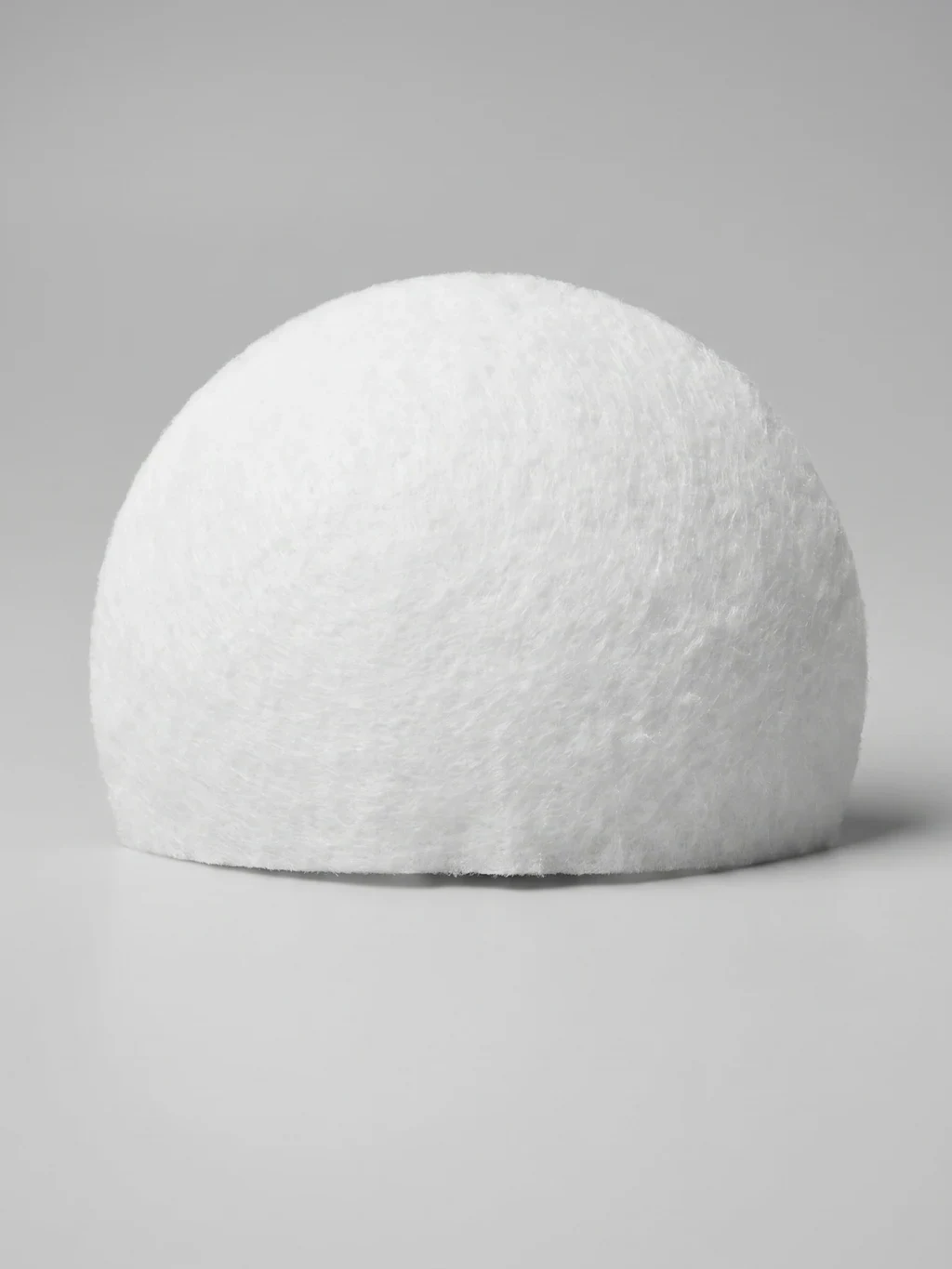
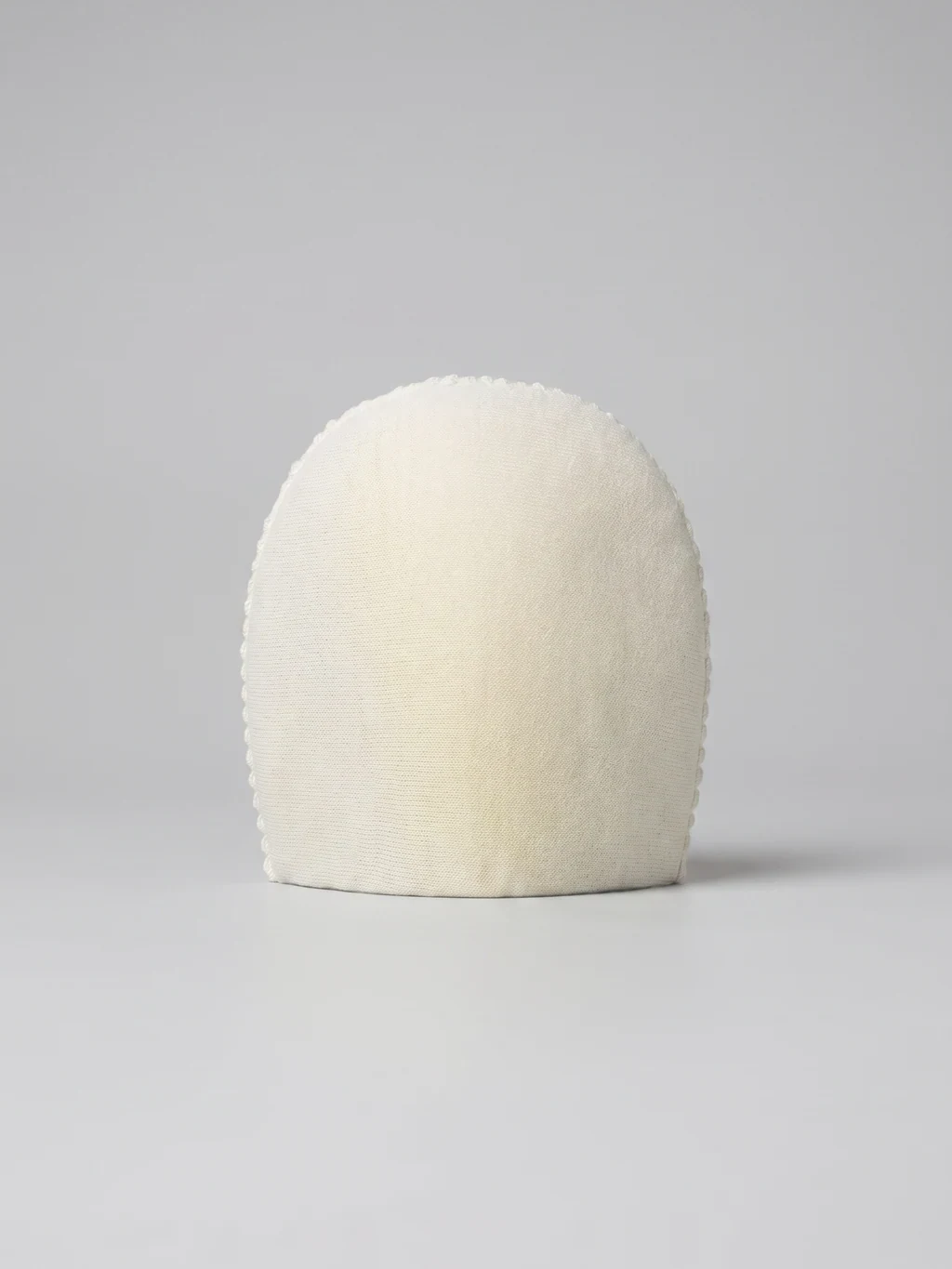
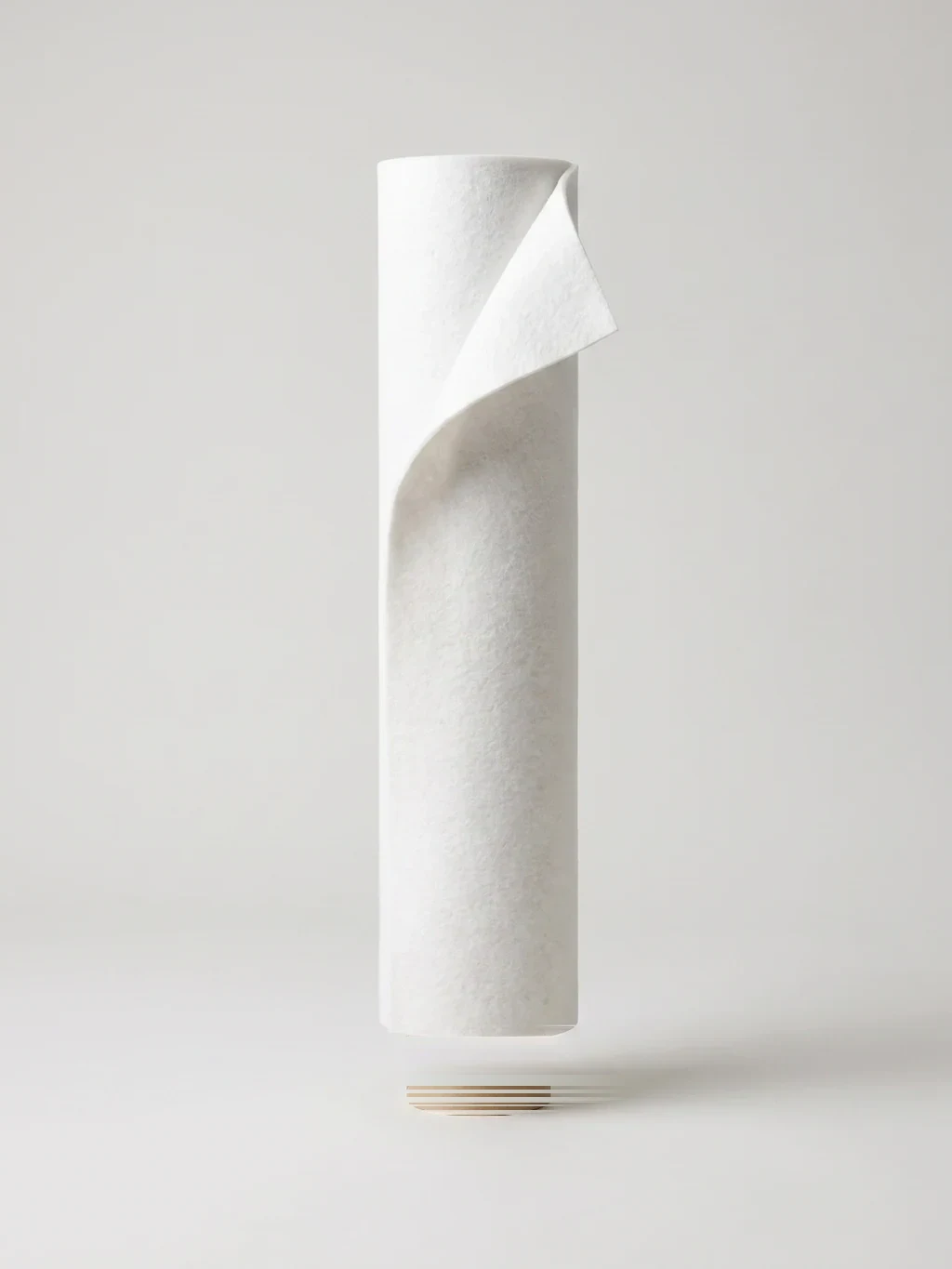
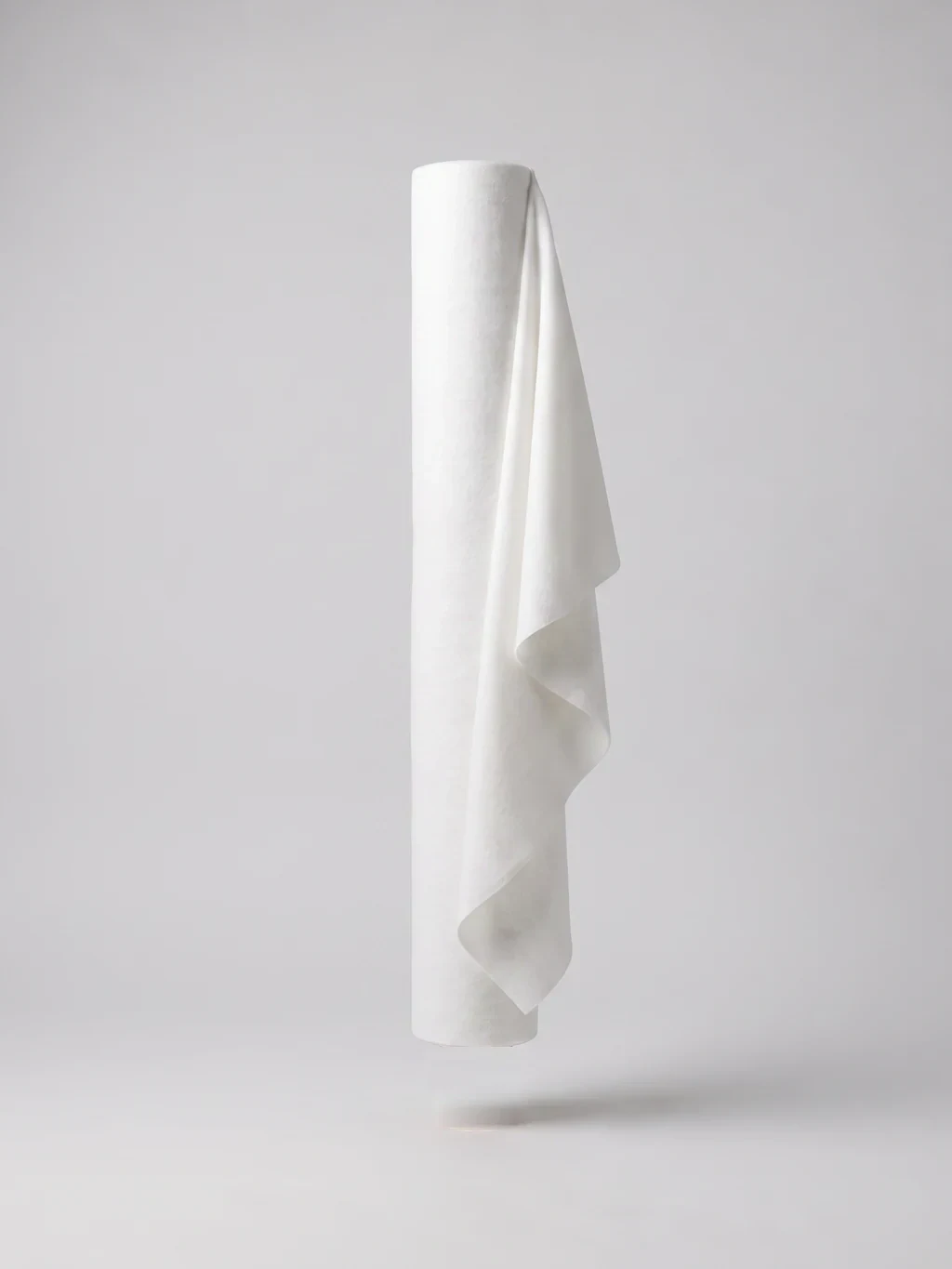
Shoulder pads and felt: building shape and filling layers
What holds this group together
Sort the layers inside a garment by what they do and three families appear. Lining covers and hides. Interlining gives the cloth flat support — it firms up a surface without adding thickness.
The products in this group do the third job: they add volume. They have thickness, they are three-dimensional, and they build a shape the cloth could not produce on its own. The curve of a shoulder, the roundness of a sleeve head, the fullness of a bag panel — all of it comes from here.
Within the group there are two separate worlds: the shoulder system (shoulder pads, padded pads, sleeve heads) and a sheet material (felt). The first works inside garments, the second mostly in bags and footwear.
How a shoulder is built
A human shoulder is not flat; it slopes, and the slope differs from person to person. A jacket shoulder is drawn as a straight, symmetrical line. This group fills the gap between them — not with one piece, but with three.
| Piece | Where it sits | What it does | Without it |
|---|---|---|---|
| Shoulder pad | On top of the shoulder line | Gives height and curve | The shoulder breaks downwards |
| Padded pad | Same place, covered | Hides the edge line | It reads as a line in the cloth |
| Sleeve head | Along the armhole seam | Keeps the sleeve cap round | The cap collapses and creases |
The most common mistake is confusing their jobs. If the sleeve cap is collapsing, thickening the pad is not the answer — the pad sits on top of the shoulder, not under the cap. That is the sleeve head's work. Equally, what stops the shoulder line stretching is not the pad but a strip of Terfix tape.
A jacket without a pad is not "more natural"; it simply asks another layer for shoulder support. Even soft-construction jackets use a thin pad or a roll — the question is not whether there is a pad but how thick it is.
Two measurements: thickness and curve
When a pad is chosen, thickness gets discussed and curve usually does not. Yet the curve is what decides how the pad sits on the shoulder.
- Thickness decides the character of the garment: thin pads give a natural shoulder in summer jackets and dresses, medium in classic jackets and blazers, thick in overcoats and uniforms.
- The curve has to follow the slope of the shoulder. A flat pad lifts at the shoulder point and raises a bump in the cloth — even when the thickness is right.
- A curved pad is handed: there is a left and a right. Fitted the wrong way round it distorts the shoulder line.
- The curve changes with the sleeve type; a set-in sleeve and a raglan do not take the same pad.
The practical check: hold the pad on the stand's shoulder by hand. If it lifts at the shoulder point, the curve is wrong. That takes thirty seconds, and a pad with the right thickness and the wrong curve gives a worse result than one with the wrong thickness.
When do you need a padded pad?
A shoulder pad is an object with thickness whose edge stops somewhere. Put it under cloth and the cloth takes its shape — a line forms where it ends, and that line can read from outside.
A padded shoulder pad solves it: covered with wadding, the firm edge stays under a soft layer, the transition spreads out, and no line forms in the cloth.
- If the outer cloth is fine and light, the covering is close to compulsory.
- If the colour is pale — beige, grey, light blue, tones where marks read — the covering is needed.
- If the surface is smooth and matt the mark is not hidden; textured cloths hide it.
- If the garment will go through an iron or a press, a covered pad makes a clear difference.
A heavy, dark, textured cloth already hides the edge of a pad, and a plain pad does the job there. The decision is made by looking at the outer cloth, not at a catalogue.
Felt: the odd one out
Felt belongs to this group but its job is separate. It is a surface formed by matting fibres together under pressure, heat and moisture — no weaving, no knitting, not even a yarn.
That method gives it three properties: thickness, a cut edge that does not fray, and no grain. The second is the decisive one: felt needs no edge finishing, it stays exactly as cut. That lets you treat it like a sheet material rather than a cloth.
- In bag panels and bases it carries the form and spreads impact.
- In footwear it supports the inner structure.
- Between two layers it works as filling.
- On accessory pieces with a visible cut edge it can become a design element in its own right.
What felt does in bags and footwear is close to what body interlining does in a garment: it gives an outer material a form it could not hold alone. The difference is that felt works as a separate layer rather than being fused on.
The products in this group
| Product | What it does | Where |
|---|---|---|
| Shoulder pad | Height and form in the shoulder line | Jackets, overcoats, uniforms |
| Padded pad | The same, without an edge mark | Fine pale cloths, blazers, dresses |
| Sleeve head | Keeps the sleeve cap round | Jacket sleeves, overcoats, suits |
| Felt | Filling and support sheet | Bags, footwear, accessories |
Common mistakes
- Expecting one layer to do another's job. If the sleeve cap collapses you do not thicken the pad, you add a sleeve head.
- Looking only at thickness and skipping the curve. A wrong curve raises a bump at the shoulder point.
- Mixing up left and right. A curved pad is handed.
- Using plain pads on a fine, pale cloth. The edge mark appears after the first press.
- Fixing the pad by machine. The cloth gathers; a pad is stitched in by hand.
When you order
Pads are chosen against garment sizes; there is no single measurement. Tell us four things: the size range, the type of garment, the sleeve type (set-in or raglan) and the weight of the outer cloth.
If you are not sure whether you need covered or plain, bring a piece of the outer cloth. Putting the pad underneath and holding it to the light settles it in a minute.
With felt, the thickness is discussed against the job; say what product it is for and how much support you expect.
Measurements, samples, stock and delivery are settled on the phone.
Frequently asked questions
What is a shoulder pad and what does it do?
A pad that shapes the shoulder line. A human shoulder slopes downwards while a jacket shoulder is drawn as a straight line; the pad fills the gap. Without one the jacket breaks downwards from the shoulder, the armhole collapses inwards and the front creases.
What is the difference between a shoulder pad and a sleeve head?
Their place and their job. A shoulder pad sits on top of the shoulder line and gives it height and curve; a sleeve head goes into the armhole and keeps the cap round. If the cap collapses, thickening the pad is not the answer — the pad is on top of the shoulder, not under the cap.
When should I use padded pads?
When the outer cloth is fine, the colour pale, the surface smooth and matt, and the garment will be pressed. If two of those apply, the covering is close to compulsory — a plain pad's edge reads as a line in the cloth, and that mark appears after the first press. On heavy, dark, textured cloth a plain pad is enough.
The pad raises a bump at the shoulder. Why?
Most likely the curve is wrong, not the thickness. A flat or badly curved pad does not follow the slope of the shoulder; it sits on top and lifts at the shoulder point. In fitting, hold the pad on the shoulder by hand — if it lifts, change the curve.
What is felt for?
A pressed non-woven surface; thick, with a cut edge that does not fray, it works as filling and support. In bags it carries the form of panels and bases, in footwear it supports the inner structure. Because it needs no edge finishing it is used like a sheet material rather than a cloth.
Which thickness should I choose?
For pads, by the weight of the garment and the silhouette: thin in summer jackets and dresses, medium in classic jackets and blazers, thick in overcoats and uniforms. For felt, by the job: thin for interleaving and surface smoothing, medium for bag bodies, thick for bases and structural parts.