Padded shoulder pads: a transition that leaves no mark
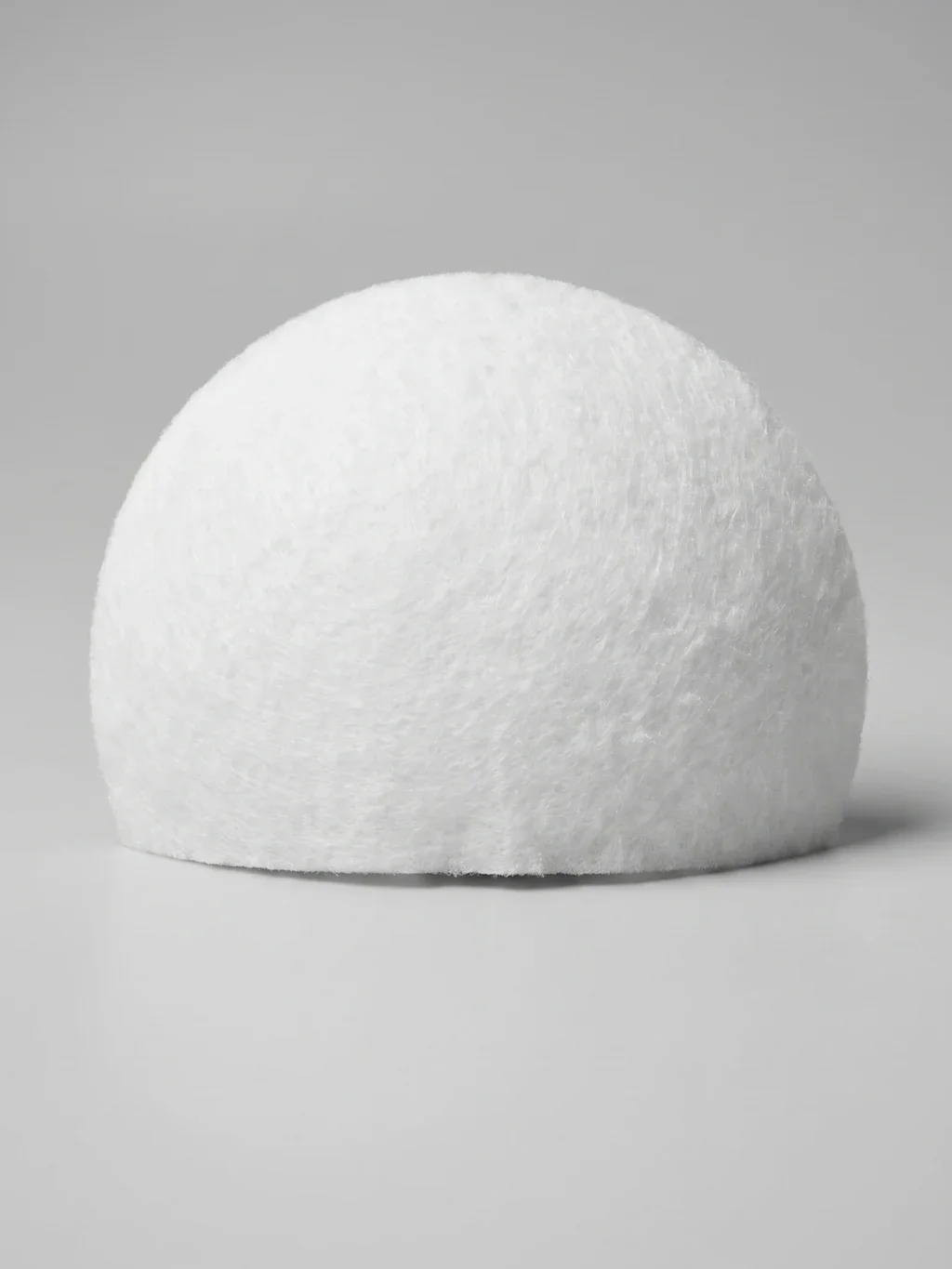
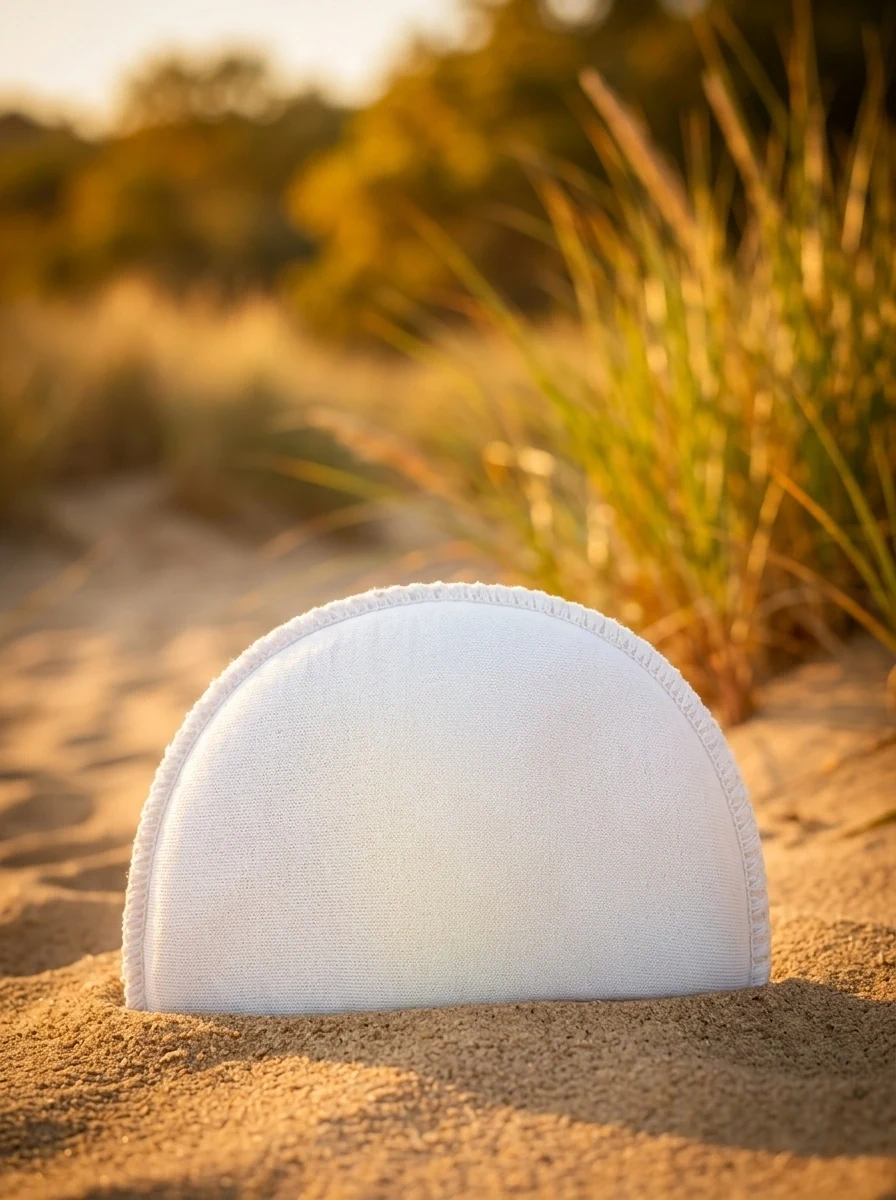
A padded shoulder pad is a pad covered with wadding; it softens the shoulder transition and leaves no mark on the outer fabric. Here is why a pad shows through at all, what the covering solves, and on which cloths it becomes compulsory.
UB-VV001 Updated
The problem first: why does a pad show?
A shoulder pad is an object with thickness whose edge stops somewhere. Put it under cloth and the cloth takes its shape — it rises where the pad is thick and drops where the pad ends. The more abrupt that transition, the more visible it is from outside.
It shows up three ways. An edge line: where the pad stops reads as a fine line in the cloth. A pressure mark: under an iron or a press the edge of the pad bears into the cloth and leaves a shine. A texture difference: the cloth over the pad gives a different surface from the cloth beside it.
All three have the same cause: there is no intermediate layer between a firm object and a soft cloth.
The problem grows as the cloth gets finer and the colour gets paler. A pad nobody notices under a heavy dark melton is visible at a glance under a fine pale cloth.
What the covering does
A padded shoulder pad is covered with wadding — a filling far softer than the pad itself, with no defined edge. The firm edge of the pad stays underneath that layer and never touches the cloth directly.
The result is that the transition spreads out. Where the pad stops the cloth does not drop away sharply; the wadding thins gradually and the cloth follows that slope. From outside the eye sees a soft transition instead of a hard line.
- The edge line disappears — that is the covering's main job.
- Pressure marks are reduced; the press bears on a soft layer rather than a firm edge.
- The texture difference softens; the transition between the pad and the cloth beside it becomes gradual.
- The lining sits better too; a firm edge no longer strains it.
Covered or plain?
| [[UB-VT001|Plain pad]] | Padded pad | |
|---|---|---|
| Edge transition | Defined | Soft |
| Mark on the outer fabric | Can show on a fine cloth | Markedly reduced |
| Thickness | Just the pad | Pad plus a wadding layer |
| Where | Heavy dark cloths, uniforms | Fine pale cloths, blazers, dresses |
| Placement | The same | The same |
The decision really comes down to the outer cloth. A heavy, dark, textured cloth already hides the edge of a pad, and a plain pad does the job there. On a fine, pale, smooth cloth the covering is close to compulsory — that cloth shows everything underneath it.
When the covering becomes compulsory
A rough checklist. If two of the following apply, padded pads are the conversation:
- The outer cloth is fine and light.
- The colour is pale — particularly beige, grey and light blue, where marks read.
- The surface is smooth and matt; textured cloths hide marks, smooth ones do not.
- The garment will go through an iron or a press.
- The lining is thin; a heavier lining acts as some buffer.
On a job that fits this list, trying a plain pad can be a waste of time. The problem does not appear in the prototype but after the first press, or after the customer has worn it — which is exactly when correcting it costs the most.
Pressing: the moment the mark appears
The mark shows up most often at the final press. Hot and damp, the cloth takes the shape of everything underneath it, and a difference in firmness goes straight to the surface.
- Press the shoulder on a curved ham, not a flat table.
- Do not bear down directly over the pad; approach from the edge.
- Do not steam from close up; damp softens the cloth and makes it settle further into the form beneath.
- Use a press cloth.
- Hang the piece to cool after pressing; a shoulder pressed while hot makes the mark permanent.
This is where a padded pad makes a clear difference: the pressure meets the wadding layer rather than a firm edge, and no mark forms. Working with plain pads, the pressing technique has to be far more careful.
The colour of the covering
A small but useful detail: the covering should be close to the tone of the outer cloth. A dark covering under a pale jacket can read as a shadow through a fine fabric.
- Pale covering under pale cloth, dark under dark.
- The detail is most noticeable on white and off-white garments.
- If in doubt, put the pad under the cloth and hold it up to the light.
Common mistakes
- Using plain pads on a fine, pale cloth. The mark appears after the first press.
- Bearing the iron down directly over the pad. The edge mark becomes permanent.
- Choosing the covering colour without reference to the outer cloth. On a fine fabric it reads as a shadow.
- Not checking on a prototype. Sewing one shoulder and pressing it takes five minutes.
- Reading the covering as extra thickness and taking a size thinner. The covering is about the transition, not the thickness.
When you order
Pads are chosen against garment sizes. Tell us the size range, the type of garment, the sleeve type and the weight of the outer cloth.
If you are not sure whether you need covered or plain, bring a piece of the cloth. Putting the pad underneath and holding it to the light settles it in a minute.
Thickness and curve are chosen on the same logic as with plain pads; the covering is added on top of those decisions, not instead of them.
Measurements, samples, stock and delivery are settled on the phone.
Frequently asked questions
What is the difference between a padded pad and a plain one?
It is covered with wadding. The firm edge of the pad stays under that soft layer and never touches the cloth; the transition spreads out and no edge line forms on the outer fabric. Thickness and curve are chosen the same way as with a plain pad.
Should I use padded pads on every job?
No. A heavy, dark, textured cloth already hides the edge of a pad, and a plain pad does the job there. On a fine, pale, smooth cloth the covering is close to compulsory — that cloth shows everything underneath it.
When does the pad mark appear?
Usually at the final press. Hot and damp, the cloth takes the shape of everything underneath and the firm edge comes to the surface. Press the shoulder on a curved ham, do not bear down directly over the pad, and hang the piece to cool.
Does the covering colour matter?
On fine cloths, yes. A dark covering under a pale jacket can read as a shadow. Pale covering under pale cloth, dark under dark; if in doubt, put the pad under the cloth and hold it to the light.
Which sizes are available?
Pads are chosen against garment sizes. Tell us your size range, the type of garment, the sleeve type and the weight of the outer cloth, and we will work out the thickness and curve together.