Hook and loop tape: which side goes where, sewn or bonded?
Hook and loop tape is a two-part fastening applied by stitching or by bonding. Here is which of the two parts goes where, the difference between sewing and bonding, and why the fastening stops gripping over time.
UB-CR001 Updated

How does it work?
Hook and loop tape is not one piece but two complementary tapes. One is the hook side: its surface carries tiny hooks with curled ends. The other is the loop side: a dense field of small loops.
Press the two surfaces together and the hooks go in among the loops and catch. The noise you hear pulling them apart is the hooks coming out of the loops one by one. The mechanism is that simple — and precisely because of that, once the hooks or the loops are damaged there is no way back.
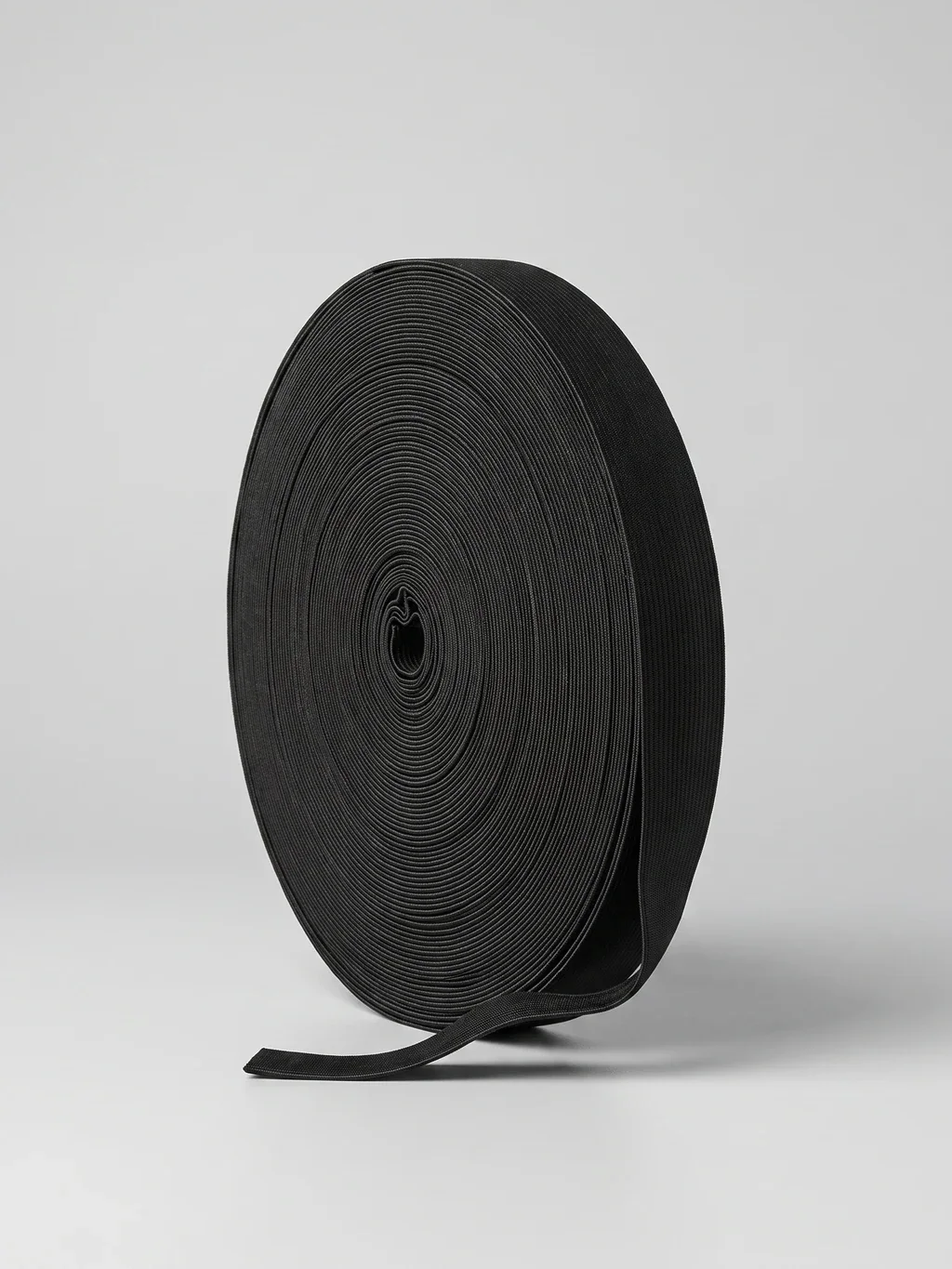
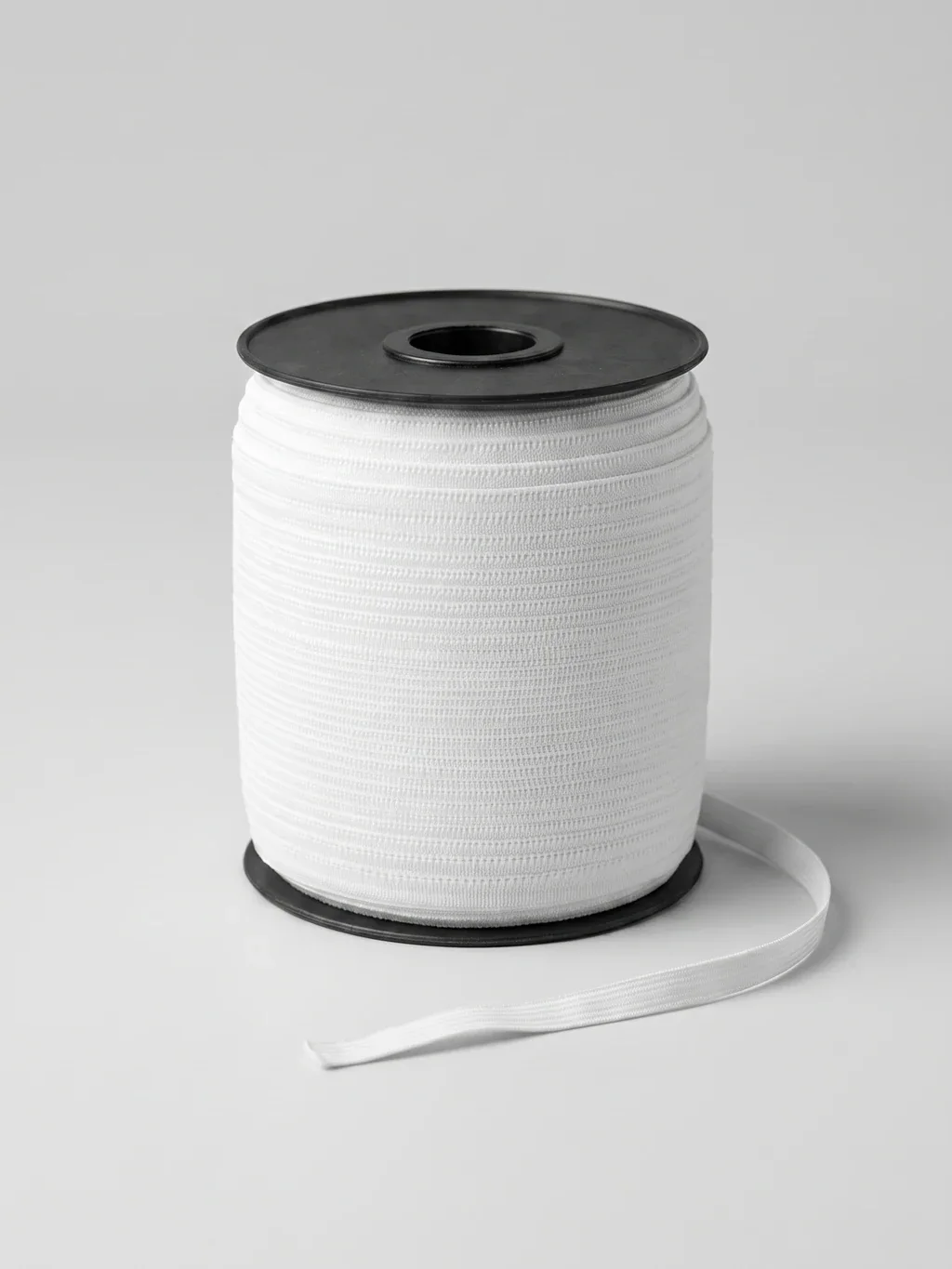
Ours comes in navy, white and black.
Which part goes where?
This is the most important decision about hook and loop tape, and the one most often skipped. The two parts can be fitted either way round — but the result is not the same.
The rule: the hook side goes where it will not rub against anything. The loop side stays outside, on the surface that makes contact.
- The hook side should not touch skin — the hook surface irritates.
- The hook side should not face knitwear; a hook pulls a loop of yarn and starts a ladder.
- Whichever part is left exposed when the fastening is open should be the loop side; an exposed hook side catches on everything around it.
- In childrenswear and workwear this matters most: the part stays open constantly.
A practical reminder: hooks in, loops out. Leave a fastening open and run your hand over it — the side that catches is in the wrong place.
Sewn or bonded?
There are two ways of applying it, for two different kinds of job. Choosing the wrong one means the tape comes away before the product does.
| Sewn | Bonded | |
|---|---|---|
| Strength | High, permanent | Medium; can lift under load |
| Washing | No problem | Weakens over repeated washes |
| Where | Garments, workwear, bags | Hard surfaces, temporary use, repairs |
| Look | The stitch line shows | A clean surface |
| Removal | Difficult | Easy |
On a fastening that is pulled constantly, stitching is essential. Adhesive-backed tape is not a permanent answer on cloth: the cloth gives, the adhesive does not, and it lifts starting at the edge. The adhesive type is mainly for hard surfaces and temporary applications.
Do not try to sew adhesive-backed tape. The glue sticks to the needle, the needle heats up and punches the cloth, and the machine gums up quickly. If it is going to be sewn, buy the sew-on type.
What to watch when sewing
- Stitch all four sides. Tape stitched on two sides lifts at the corners, and a lifted corner catches on everything.
- Run 2 – 3 mm in from the edge; stitching right at the edge tears the tape.
- Cut the hook piece slightly smaller than the loop piece, so no hook overhangs when the fastening is closed.
- Round the corners. Sharp corners lift first.
- Put support underneath. Stitched alone to a fine cloth, the fabric tears from the force of opening; a layer of paper interlining or another layer of cloth goes underneath.
- Needle: heavy and strong. Hook and loop tape is a dense material.
One step further from that last point: if the cloth under the tape is weaker than the tape itself, the failure happens in the cloth, not the tape. In workwear and bags that is close to a rule — the support layer cannot be skipped.
Why does it stop gripping?
The life of the tape depends on the state of its hooks and its loops. Both can degrade, and for different reasons.
- Lint and thread clogging. The hook surface fills over time with fluff, lint and thread, and the hooks can no longer find a loop. This is the most common cause by far.
- Crushed loops. Under constant pressure and friction the loop surface flattens and the hooks find nothing to grip.
- Opened hooks. Hooks pulled hard from the wrong angle straighten out and never curl back.
- Wash damage. Washed open, the tape collects everything in the machine and clogs.
A clogged hook surface can be cleaned: comb it against the direction of the hooks with fine tweezers or an old toothbrush. If the loops have been crushed there is nothing to be done — that part gets replaced.
Putting "close the fastening before washing" on the care label cuts off a noticeable share of complaints before they start.
Where it is used
| Field | How | Note |
|---|---|---|
| Workwear | Cuffs, collars, pocket flaps | Can be worked with gloves on |
| Childrenswear | Shoes, fastenings | Easier than buttons and zips |
| Bags and accessories | Flaps, inner compartments | A support layer is essential |
| Adjustable straps | Waists, wristbands, straps | The adjustment range is the length of the loop piece |
| Removable parts | Inner linings, collars, badges | Easy to wash and to change |
That last row is interesting: hook and loop tape is not only a fastening but a means of making things removable. A removable inner lining or an interchangeable badge extends the life of a product directly.
Common mistakes
- Fitting the hook side so it is exposed when open. It catches on everything and ladders knitwear.
- Trying to sew adhesive-backed tape. The glue gums the needle and stops the machine.
- Stitching only two sides. The corners lift.
- Sewing to a fine cloth without support. The fabric tears from the force of opening.
- Cutting the hook and loop pieces the same size. Hook overhangs when it is closed.
When you order
Available in navy, white and black. Say whether you want the sew-on or the adhesive type — they are different products and do not substitute for one another.
Call about width and metreage; tell us the size of your fastening and we can work out the width together.
Hook and loop are usually bought together, but not always in equal amounts: adjustable straps need more of the loop side.
Samples, stock and delivery are settled on the phone.
Frequently asked questions
Which side goes on the outside — hook or loop?
The loop side. The rule is that the hook side goes where it will not rub against anything. If the exposed part is the hook side it catches on everything around it, ladders knitwear, and irritates skin on contact. In short: hooks in, loops out.
Can adhesive-backed tape be sewn?
Do not try. The glue sticks to the needle, the needle heats up and punches the cloth, and the machine gums up quickly. If it is to be sewn, buy the sew-on type from the start. The adhesive type is for hard surfaces and temporary use; on cloth it lifts at the edges after repeated washing.
The tape has stopped gripping. What can I do?
Look at the hook side first: if it is clogged with lint and thread, comb it against the direction of the hooks with fine tweezers or an old toothbrush, and most of the grip comes back. If the loops on the other side have been crushed, there is nothing to be done — that part gets replaced.
Can it be sewn to a fine cloth?
With support underneath. If the tape is stronger than the cloth, the failure happens in the cloth. Put a layer of paper interlining or another layer of cloth beneath it. In workwear and bags that is close to a rule.
Which colours are available?
Navy, white and black. Call about width and metreage.